The global landscape for digital asset extraction is going through a massive technical shift, like really quickly. Industrial operators now ask for unprecedented thermal efficiency and power density so the whole thing stays profitable. As networks get more competitive, relying on old-school cooling methods can actively drain your operational margins. Institutional miners therefore need infrastructure that helps maximize hardware lifespans while at the same time keeping overhead costs lower. Ciphertech Cloud Computing brings utility-backed power and rapid-deployment infrastructure, which is built for these high-density computing operations
Picking the right environment matters more than most people think, it can steer your long-term yield, for real. This breakdown compares Hydro Cooled Asic Hosting with older arrangements, to help investors make data-driven decisions about their infrastructure
Understanding Traditional Crypto Mining Hosting Services
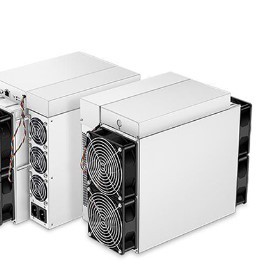
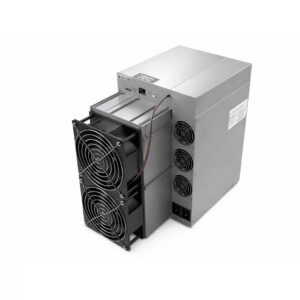
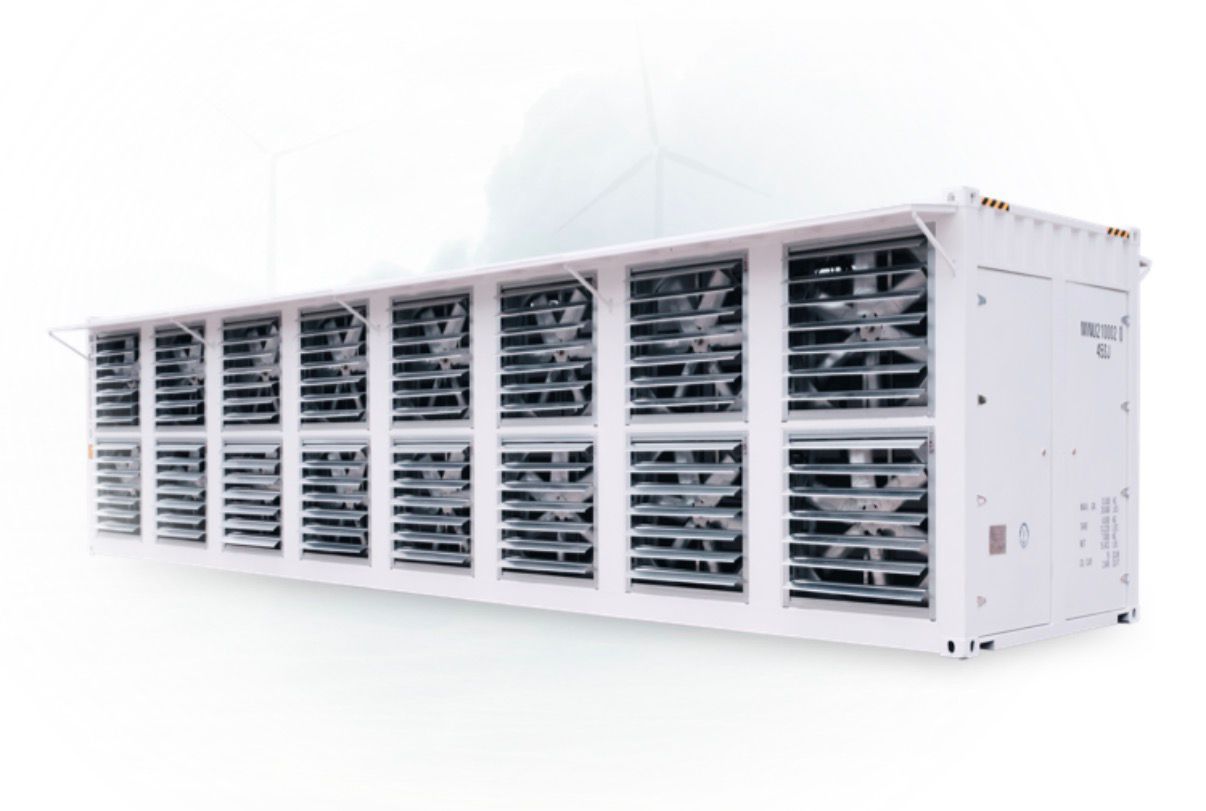
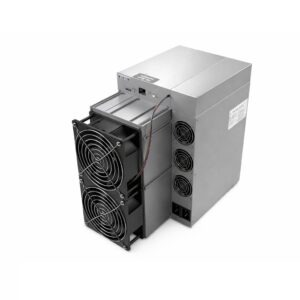
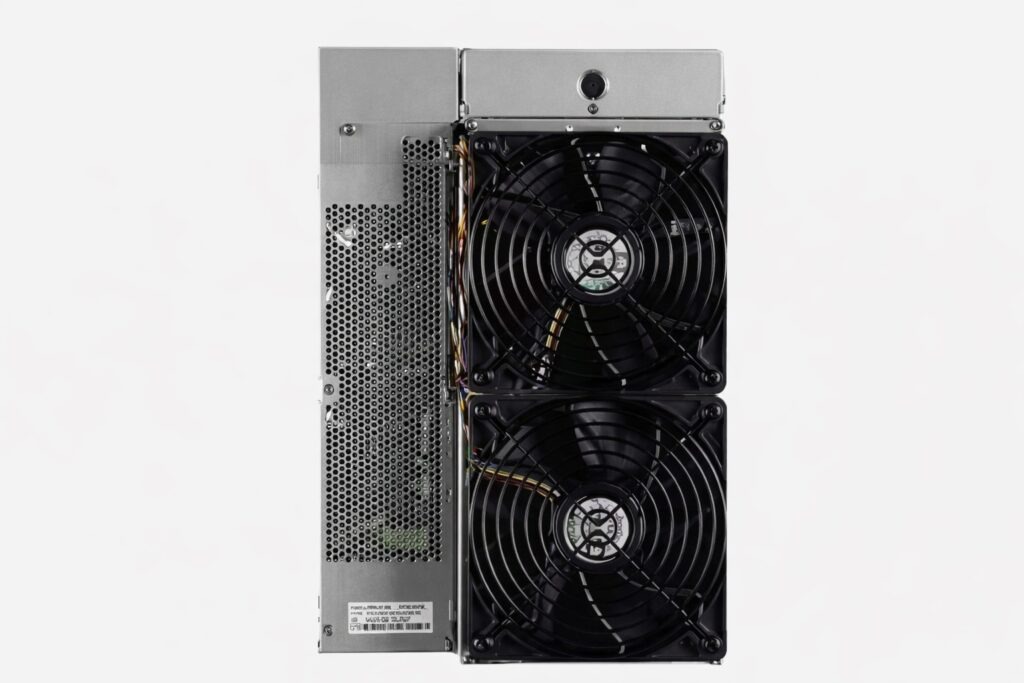
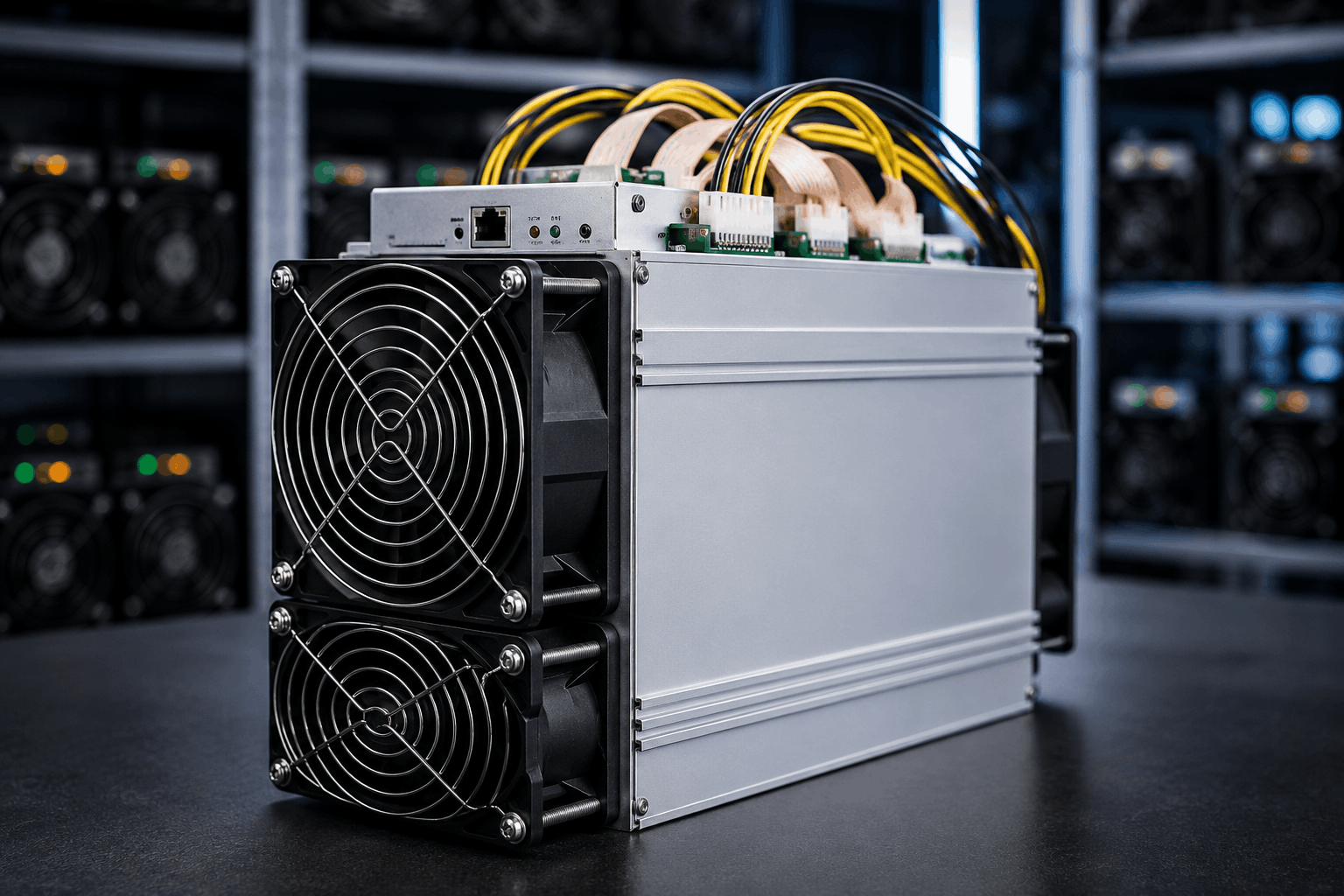
For years, air-cooled setups were the default industry benchmark. They depend on high-velocity fans that pull ambient air through the equipment chassis, so heat can be removed from the hashboards. In other words, it’s basically “move the warm air out, bring the cooler air in” and repeat.
The Limits of Atmospheric Cooling
Standard air-based data centers run into serious geographic and seasonal constraints. In hotter arid regions, elevated ambient temperatures can reduce machine efficiency quite a lot. On top of that, outside air is not clean-clean, it brings dust moisture and other debris into the housing. Over time, that exposure causes tiny abrasion points, which can result in fan issues and faster hardware wear.
Operational Overhead and Downtime
Air fans take a noticeable portion of the total power that the system draws. That parasitic load reduces the energy that could have been used purely for cryptographic calculations. Also, these places often need intense manual maintenance, plus periodic structural filter swaps. The resulting operational downtime directly reduces your daily accumulation of digital assets.
The Mechanics of Hydro Cooled ASIC Hosting
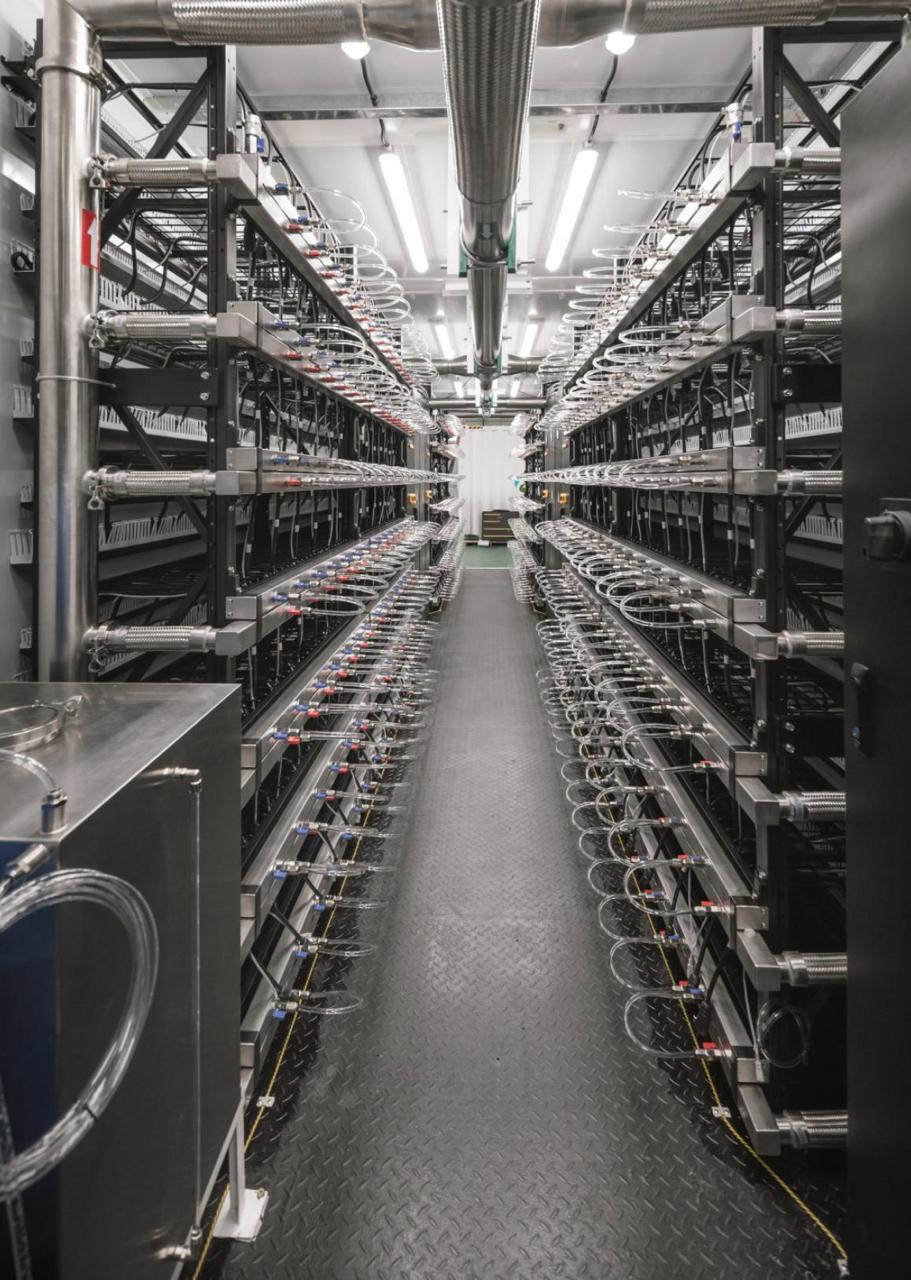
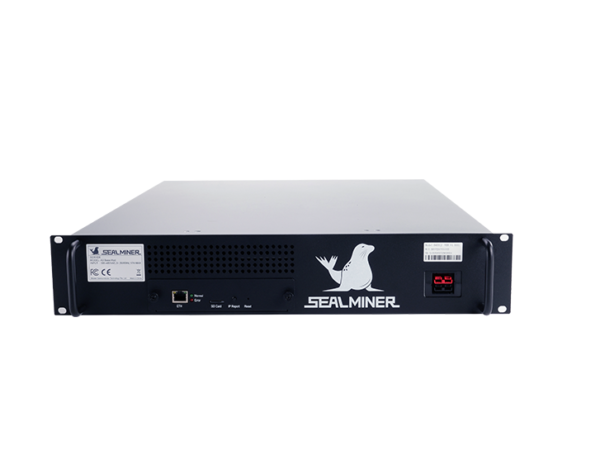
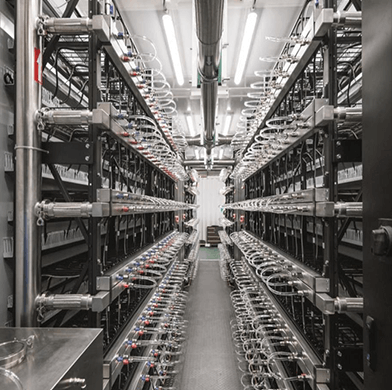
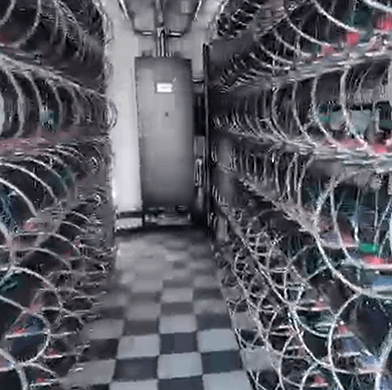
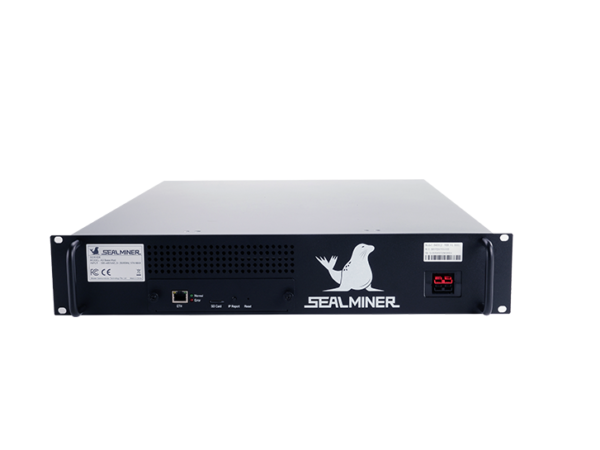
Hydro cooling kind of totally swaps out typical air handling for a sealed loop, liquid based heat movement. In practice, specialized blocks move a customized coolant straight across the internal processing units, in that closed system, so it’s not like open air at all.
Superior Thermal Conductance
Liquid takes on and pushes away heat far more quickly than air ever does. That strong thermal management keeps the internal chip temperatures pretty uniform, and low, even when the workload changes. Also, when you get rid of thermal spikes the units can keep running for longer stretches, basically at peak behavior.
Eradicating Environmental Risk Factors
Since the loop is fully sealed, the hardware stays isolated from outdoor conditions. Dust, moisture, and other airborne irritants cannot enter the unit. This kind of clean surroundings almost removes the usual reasons for hashboard corrosion, and board level failure. On top of that, you can remove the heavy chassis fans, so the whole operation ends up quiet and steady, less turbulence, fewer moving parts, that sort of thing.
Maximizing Megawatt Utility
Hydro systems utilize almost 100% of incoming energy for computational hashing. When you remove the electrical drain from physical fans, overall, Power Usage Effectiveness (PUE) drops close to one. So, miners squeeze more computing work out of every kilowatt you pay for on the utility side.
Safe Performance Overclocking
Low and stable temperatures give more room to tune, and adjust performance past the factory baseline. In a hydro environment you can overclock by as much as 40% without triggering thermal runaway. That bigger processing output directly increases daily block rewards, so it’s not just faster, it’s consistently faster.
Final Thoughts
Trying to steer modern digital infrastructure means you have to drift away from older cooling methodologies, the kind that are kind of inefficient by default. In the past, a lot of people used standard Crypto Mining Hosting Services as a sort of stepping stone. But they really can’t match liquid thermal dynamics, not when you look at the full picture. With a hydro-cooled architecture your hardware stays shielded from environmental degradation, and at the same time you improve energy conversion rates. That structural optimization, it reduces day to day operational overhead and it also supports safer performance overclocking, so in the end you may see better financial returns. If you want to scale your high-density computing operations, take a look at the enterprise infrastructure solutions at website.